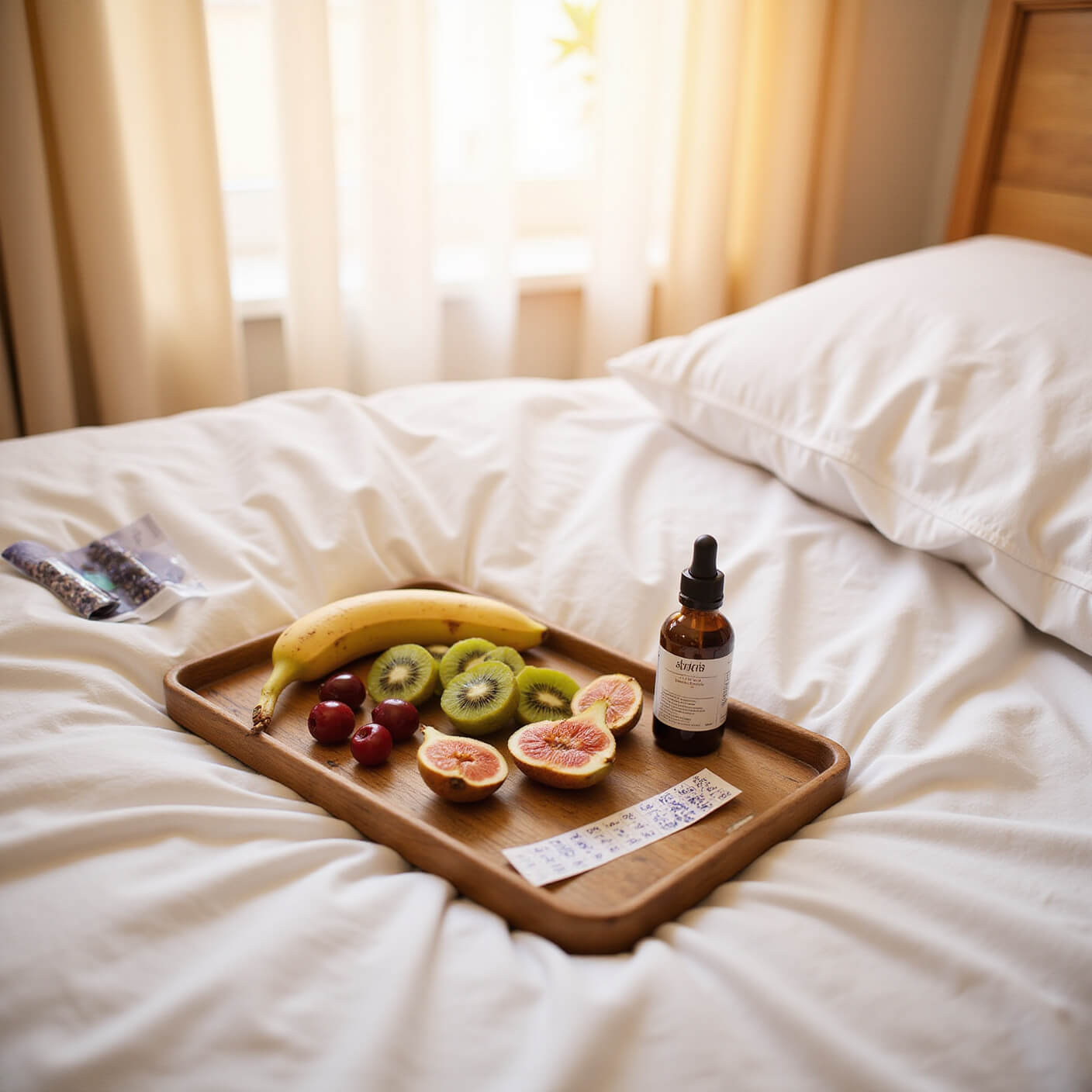
I started paying attention to sleep-inducing fruits after a few rough weeks of staring at the ceiling. What helped wasn’t a supplement but a handful of cherries and a banana an hour before bed. The effect is mild, not dramatic, but it takes the edge off the restlessness. A few of these fruits show up in the kitchen anyway, so it’s an easy habit to try.
6 Fruits That Can Help You Sleep Better
A few fruits turned up again and again when I looked into what actually helps people wind down. They work gently, through compounds your body already uses, rather than forcing sleep the way a pill might.
Why Fruits Can Be Your Sleep Allies
Sleep doesn’t always come easy, and I’ve learned that what you eat in the hour before bed makes a difference. The fruits below share a few compounds worth knowing about.
Certain fruits pack powerful compounds that literally tell your brain “hey, it’s time to chill out and sleep.”

The Sleep-Inducing Fruit Lineup
1. Kiwi: The Tiny Sleep Superstar
Kiwi is the one I reach for most often. Two kiwis an hour before bed is an easy habit, and the fruit backs it up with a few useful compounds.
These little green guys are packed with:
- Serotonin (the feel-good chemical)
- Melatonin
- Vitamins that basically whisper “relax” to your body
Pro Tip: Eat them about an hour before hitting the sack.
2. Tart Cherries: A Source of Melatonin
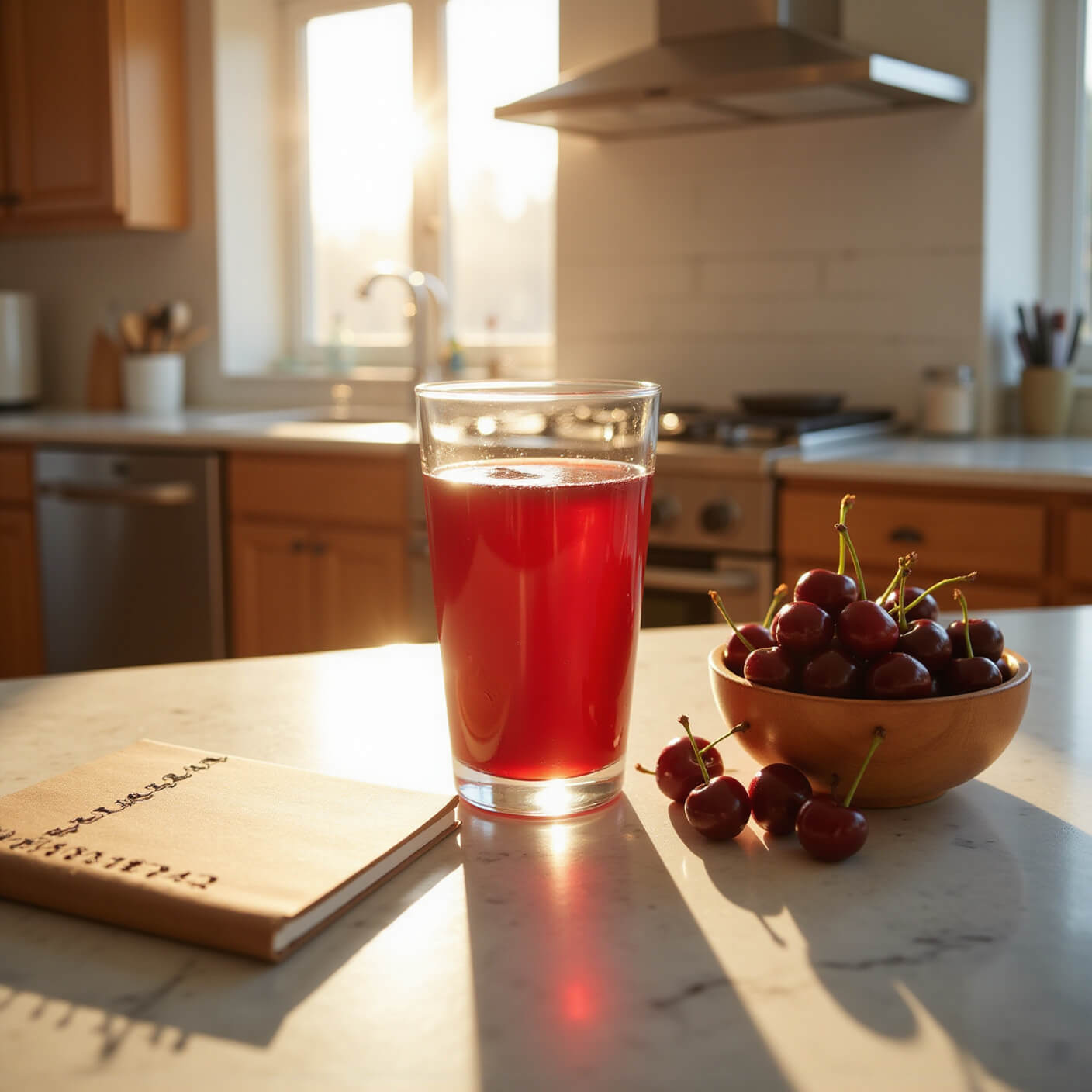
Tart cherries are the fruit most often linked to sleep, mostly because of their melatonin content. A small glass of tart cherry juice in the evening is the simple way I use them, and a melatonin supplement can help on the nights that need more support.
These cherries literally flood your system with:
- Natural melatonin
- Sleep-promoting amino acids
- Compounds that help regulate your internal clock
3. Pineapple: The Unexpected Sleep Hero
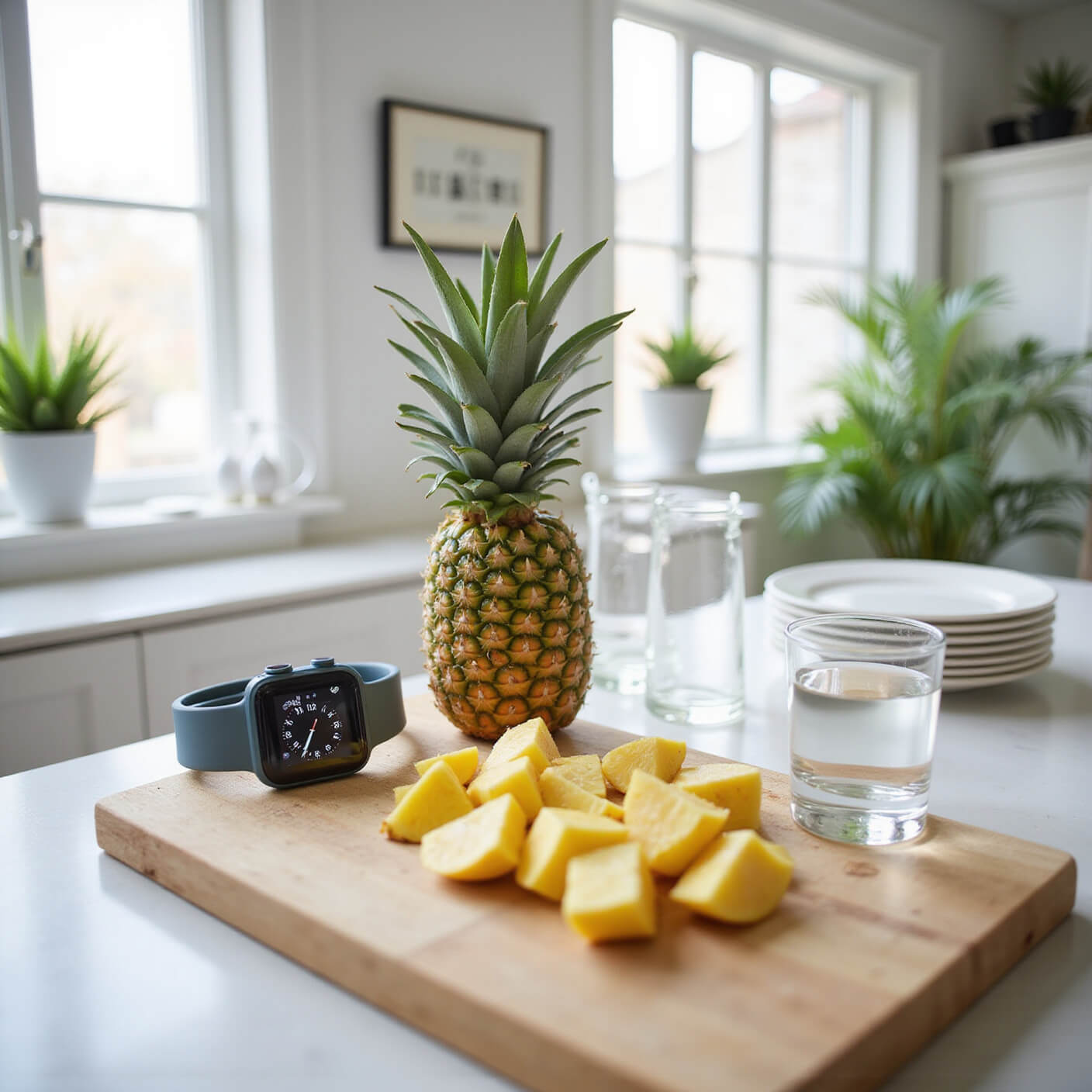
Weird but true – pineapple can boost your melatonin levels by a crazy 266%.
Bonus? It helps digestion, so no midnight stomach grumbles keeping you awake.
4. Bananas: The Muscle Relaxation Fruit
Magnesium and potassium make bananas a sleep-time champion.
They help:
- Relax muscles
- Reduce anxiety
- Produce sleep-inducing brain chemicals
5. Figs: The Mineral Marvel
Packed with magnesium, figs are like a natural muscle relaxant.
6. Avocado: Calm in a Creamy Package
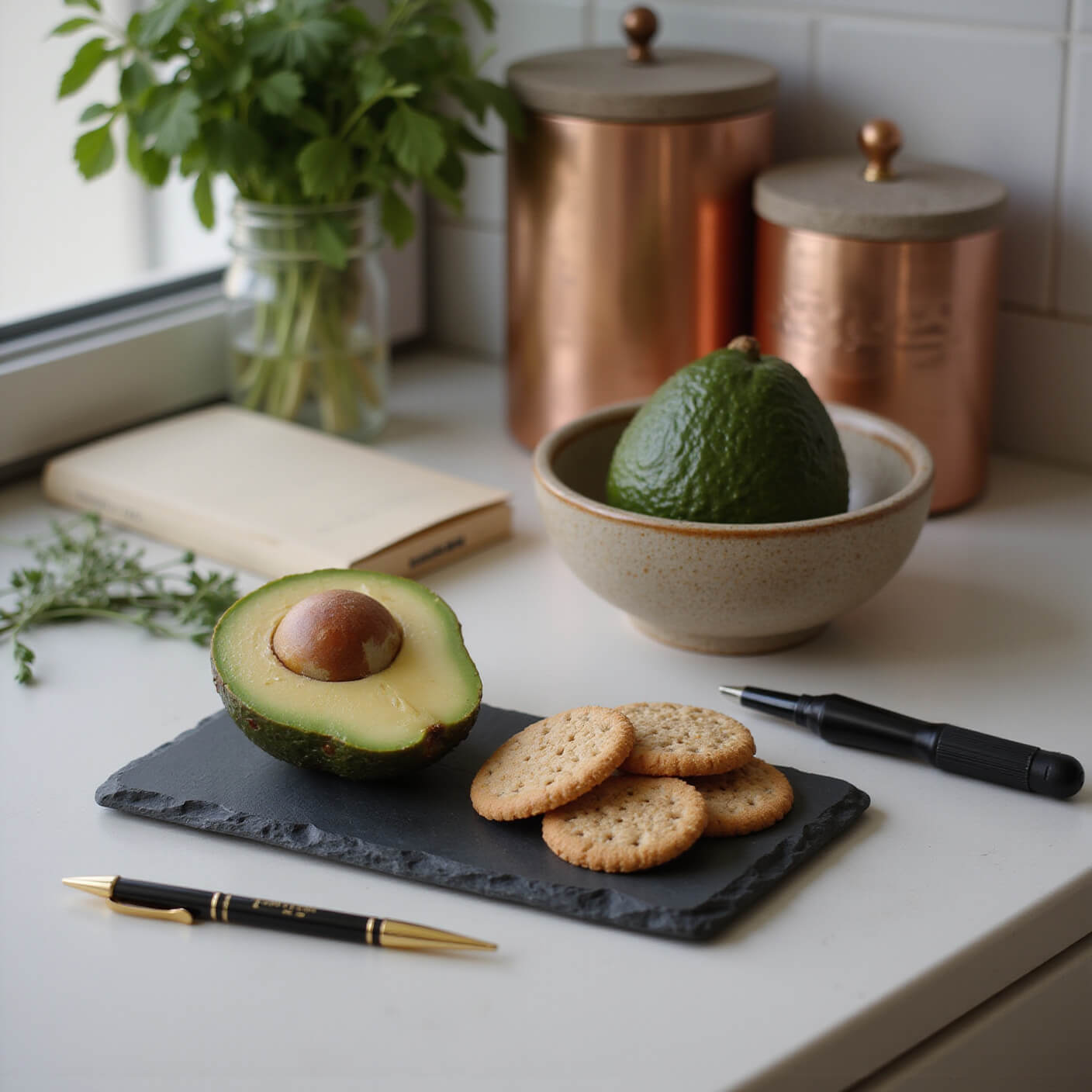
Not just for toast – avocados help reduce anxiety and relax muscles.
Important Sleep Fruit Guidelines
- Eat these fruits about an hour before bedtime
- If you’ve got blood sugar issues, pair with protein
- Those with acid reflux? Eat earlier in the evening
A Word of Caution
Everyone’s body is different.
What works for me might not work exactly the same for you. Listen to your body and experiment.
The Bottom Line
Nature gave us some incredible sleep aids – no prescription required.
These fruits aren’t just delicious. They’re your ticket to better, more restful sleep.
The fruits that help me most are the ones I already keep on hand, like tart cherries and a banana. They won’t replace good sleep habits, but they take the edge off a restless night. Try one or two for a week and notice if your sleep shifts. Small changes like this are usually what actually stick.
Disclaimer: This isn’t medical advice. Always consult with a healthcare professional if you’re having serious sleep issues.